StudioMD Medical Aesthetics & Wellness Centers



- Botox & Fillers
- Skin Rejuvenation
- Thermage Skin Tightening
- Fraxel Skin Resurfacing
- Morpheus8 Skin Tightening
- Clear + Brilliant Skin Rejuvenation
- Hydrafacial
- Microneedle Skin Rejuvenation
- Vi Peel Skin Rejuvenation
- Other Procedures
- Body Contouring
- Wellness
- Hair Removal
- Hair Restoration
- Plastic Surgery
- About Us
- Loyalty
- (929) 489-8955
- Book Online
- E-mail

BASIC METABOLIC PANEL (BMP)
Dr. Alcarez, DO
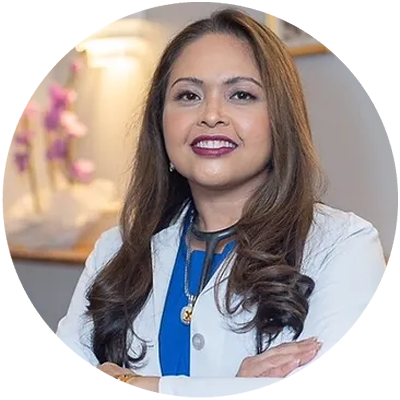
Dr. Kathryn Alcarez is a highly experienced Primary Care Physician with a remarkable focus on injectable treatments for over 5 years. With an educational background from Boston University, she has cultivated her expertise in a range of specialized areas, including Fillers, Radiesse, and Sculptra for body and hand rejuvenation. Dr. Alcarez is also extremely-versed in wellness and weight loss treatments. With her holistic approach, Dr. Alcarez strives to provide comprehensive care that addresses both the physical and motional well-being of her patients.
Dr. Arcilla, Board-Certified
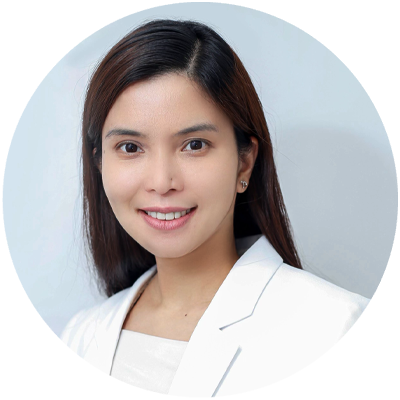
Dr. Rhodora Arcilla, MD, is a board-certified physician with over 20 years and exceptional experience in aesthetic and anti-aging medicine with a remarkable focus on injectable treatments like toxins and fillers. She also specializes in weight loss, hair loss treatment, acne treatment, scar revision, and general skin care. She graduated cum laude from University of Santo Tomas Faculty of Medicine and Surgery and has completed her family medicine residency training at JFK University Medical Center. Dr. Arcilla is committed to a holistic approach to patient care based on patients’ needs to achieve optimum result and patients’ well-being.
READY TO BOOK A FREE CONSULTATION?
Easy Peasy!
Submit Form Below or Click to Book Online or Call (212) 355-0800
FREQUENTLY ASKED QUESTIONS
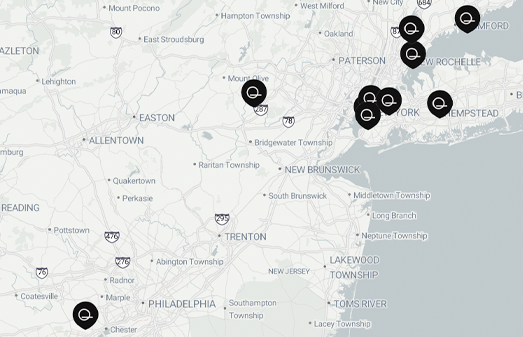
LOCATIONS & DIRECTIONS